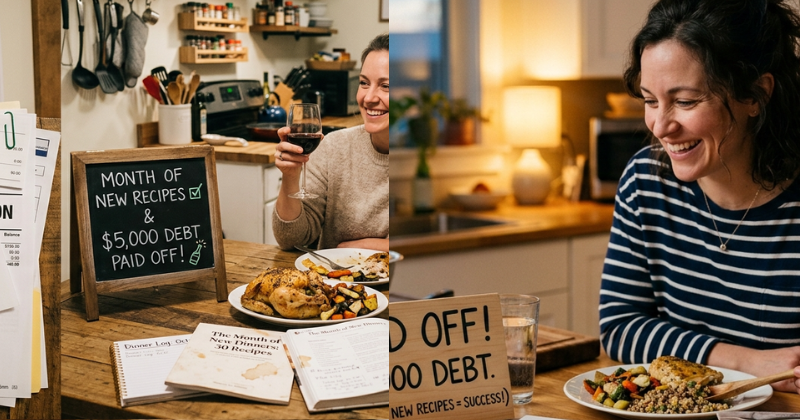
Stop Overspending on Bland Takeout: The $5k Dinner Strategy
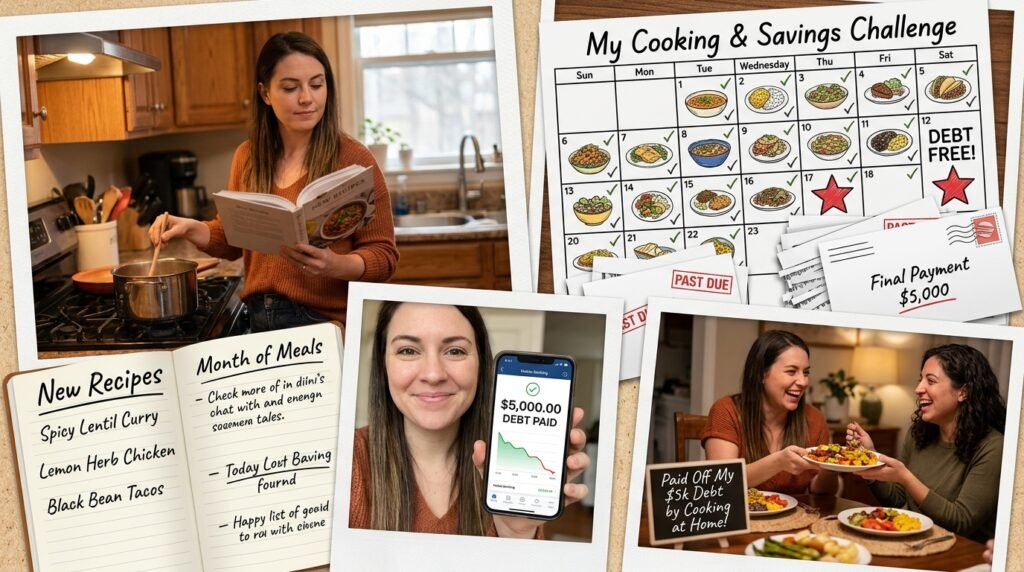
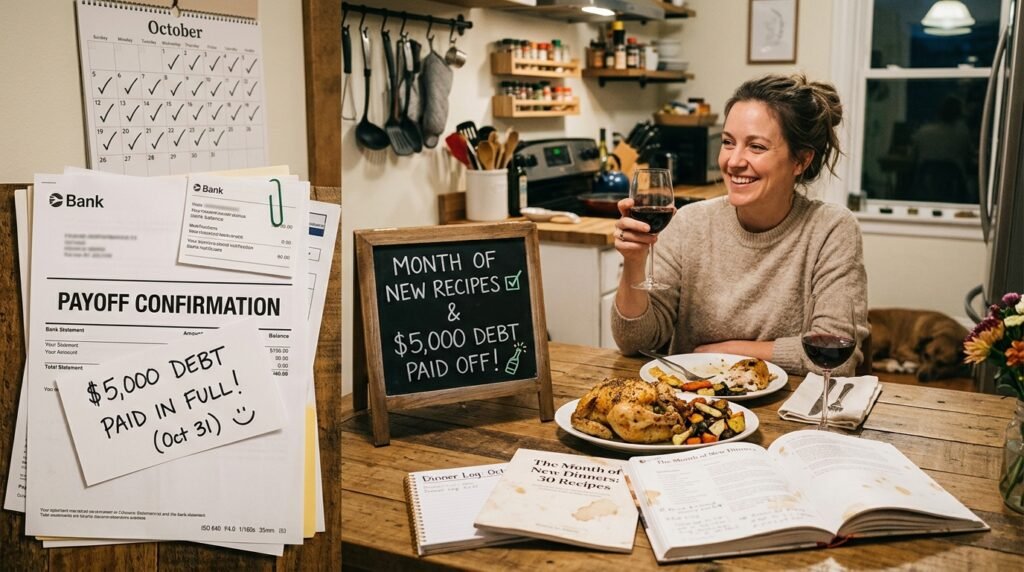
Most weeknight dinner plans fail because they are too ambitious or too boring. You either spend $60 on organic ingredients for a single meal that takes two hours to prep, or you give up and hit the delivery app, watching $40 disappear for a lukewarm burrito. Last year, I realized my « dinner indecision » was costing me a fortune. I tried new dinner recipes for a month and finally paid off $5k in debt simply by mastering the art of the High-Flavor, Low-Friction Meal.
The problem with most « budget » dinner recipes is that they taste like cardboard. They rely on cheap fillers and lack the acidic or umami punch that makes restaurant food addictive. If you don’t enjoy what you’re eating at home, you won’t stick to the habit. You’ll find yourself back at the drive-thru by Wednesday.
This specific strategy focuses on a Sheet Pan Gochujang Roasted Chicken and Thrice-Cooked Potatoes. It solves the « soggy vegetable » problem and the « dry chicken » problem in one go. By the end of my 30-day experiment, I wasn’t just saving money; I was eating better than I did when I was hemorrhaging cash at bistros.
The « Hero » Technique: The Cold-Start Potato Method
The secret to this recipe—and the reason it beats anything you’ll find on a standard food blog—is the Cold-Start Fat Rendering.
Most recipes tell you to preheat your oven and toss everything on a tray. This is a mistake. When you put cold potatoes and chicken into a hot oven, the outside sears and hardens before the internal fat has a chance to render out. This results in chicken skin that is rubbery and potatoes that are hard in the middle.
By starting your sheet pan in a cold oven and allowing it to come up to temperature with the meat, the chicken fat (schmaltz) begins to liquefy and coat the potatoes. This creates a confit-like environment. As the temperature hits 425°F, that fat begins to fry the potatoes from the bottom up. You get a crunch that mimics a deep-fryer without the mess or the cost of a gallon of peanut oil.
Ingredient Deep Dive: Why These Work
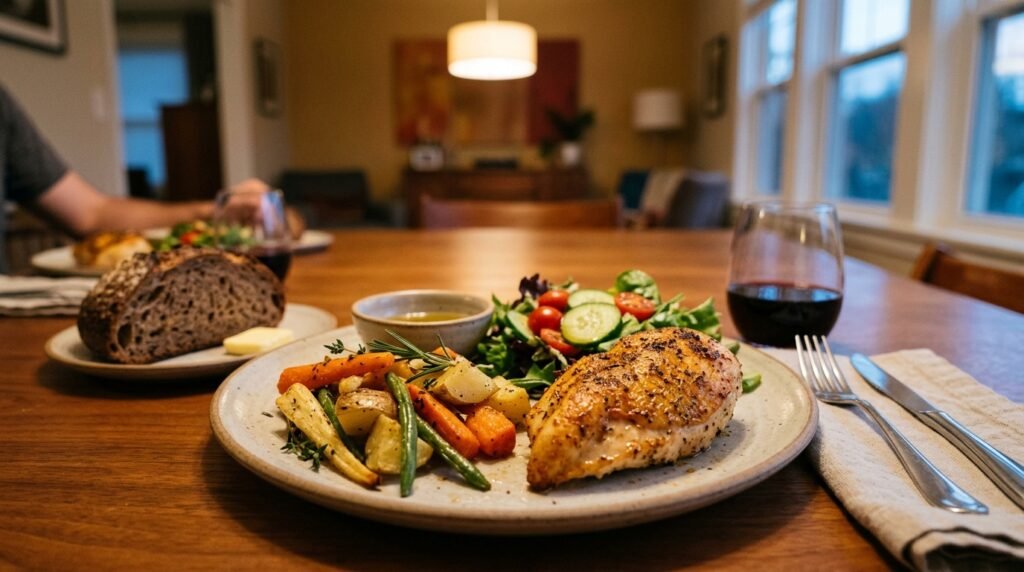
We aren’t just grabbing random items from the pantry. Every ingredient serves a structural or chemical purpose.
- Bone-In, Skin-On Chicken Thighs: Do not use breasts. Breasts dry out at the high temperatures required to crisp potatoes. Thighs are more forgiving and contain the collagen necessary to create a rich pan sauce.
- Gochujang (Korean Chili Paste): I recommend Haechandle brand. It provides heat, sweetness, and fermented depth. Unlike sriracha, which is vinegar-forward, Gochujang has a thick consistency that clings to the meat during roasting.
- Yukon Gold Potatoes: Avoid Russets here. Russets are too starchy and will turn to mush. Yukon Golds have a « waxy » profile that holds its shape while the edges turn into golden glass.
- Diamond Crystal Kosher Salt: This is non-negotiable. If you use Morton’s or standard table salt, use half the amount. Table salt has a tiny grain size that makes it easy to over-salt your food. Diamond Crystal allows for « hand-seasoning » where you can actually see the coverage.
The Walkthrough
Phase 1: The Prep (15 Minutes)
- Pat the chicken dry. Use paper towels. If there is moisture on the skin, it will steam, not sear.
- The Marinade: Whisk 3 tablespoons of Gochujang, 2 tablespoons of neutral oil (Avocado or Grapeseed), and 1 tablespoon of soy sauce.
- The Cut: Slice your Yukon Golds into 1-inch chunks. Any smaller and they will disintegrate; any larger and the chicken will overcook before the potatoes are soft.
Pro-Tip: Toss the potatoes in a bowl with a teaspoon of baking soda before seasoning. The alkalinity breaks down the potato starch on the surface, creating more « nooks and crannies » for maximum crunch.
Phase 2: The Cook (40-45 Minutes)
- Arrange the potatoes in a single layer on a heavy-duty rimmed baking sheet.
- Nestle the chicken thighs among the potatoes, skin-side up.
- The Cold Start: Place the tray in the center rack of a completely cold oven. Turn the oven to 425°F.
- Set a timer for 35 minutes once the oven reaches the target temp.
Pro-Tip: Halfway through, use a metal spatula to flip the potatoes, but do not touch the chicken. Moving the chicken too early will tear the skin before it has naturally released from the pan.
Phase 3: The Finish
- Visual Cue: Look for the chicken skin to appear « puffy » and dark mahogany. The potatoes should sizzle loudly when you open the oven door.
- The Rest: Remove the tray and let the chicken sit for at least 8 minutes. If you cut into it immediately, the juices will run out, leaving the meat stringy.
Troubleshooting Table
| What Went Wrong | How to Fix It Next Time |
| Soggy Potatoes | You overcrowded the pan. Use two pans or a larger one. If the potatoes are touching, they steam each other. |
| Burnt Marinade | The sugar in the Gochujang can scorch. If it’s browning too fast, tent a small piece of foil over the chicken. |
| Bland Flavor | You likely didn’t use enough salt during the prep phase. Season the potatoes and the chicken separately. |
| Rubberby Skin | You didn’t pat the chicken dry enough. Moisture is the enemy of the Maillard reaction. |
Storage & Reheating
To maintain the integrity of this dish, do not use a microwave for leftovers. The microwave will turn the potato skins into wet leather.
- Storage: Place in an airtight glass container (like Pyrex) for up to 4 days. Keep the chicken and potatoes in the same container so the flavors continue to marry.
- Reheating: Use an air fryer at 370°F for 5 minutes, or a toaster oven at 400°F. This re-activates the fats and crisps the skin back to its original state.
Recipe Card Summary
- Prep Time: 15 Minutes
- Cook Time: 45 Minutes
- Total Time: 60 Minutes
- Yield: 4 Servings
- Equipment: 1 Large Rimmed Baking Sheet (Half-sheet pan), 1 Metal Spatula, 1 Large Mixing Bowl.
- Cost Per Serving: Approximately $2.85 (compared to $18.00 for similar takeout).
Final Note on the « Month of Recipes »: The reason I was able to pay off $5k in debt wasn’t just the cheap ingredients. It was the system. When you have a recipe like this that produces restaurant-quality results with 15 minutes of active work, the temptation to spend money on convenience disappears. Master this one tray, and you master your budget.