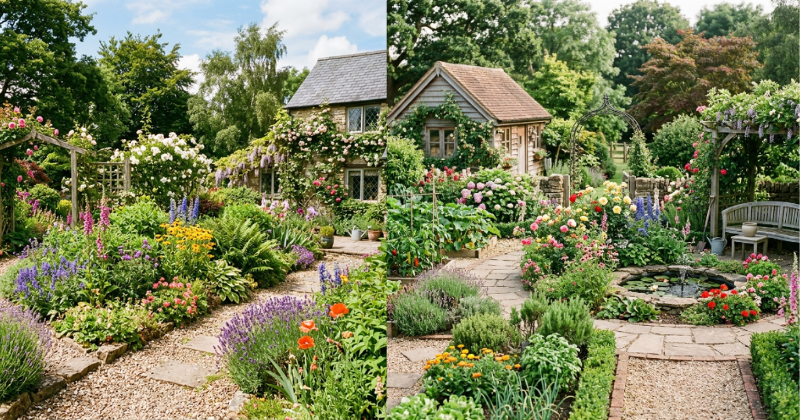
Project: Stop Killing Plants—Building Your Zone-Proof Garden
Pinterest gardens look like effortless paradises, but the reality for most DIYers is a graveyard of expensive perennials and brown leaves. You see a plant you love at the big-box store, you dig a hole, and it’s dead by August or frozen by January. The gap between that aesthetic dream and your backyard reality is usually a failure to respect USDA Plant Hardiness Zones.
If you don’t build your garden according to your specific structural climate constraints, you are wasting money on temporary decor. Here is how to stop the cycle and build a garden that actually survives.
1. Identify Your Microclimate Basement
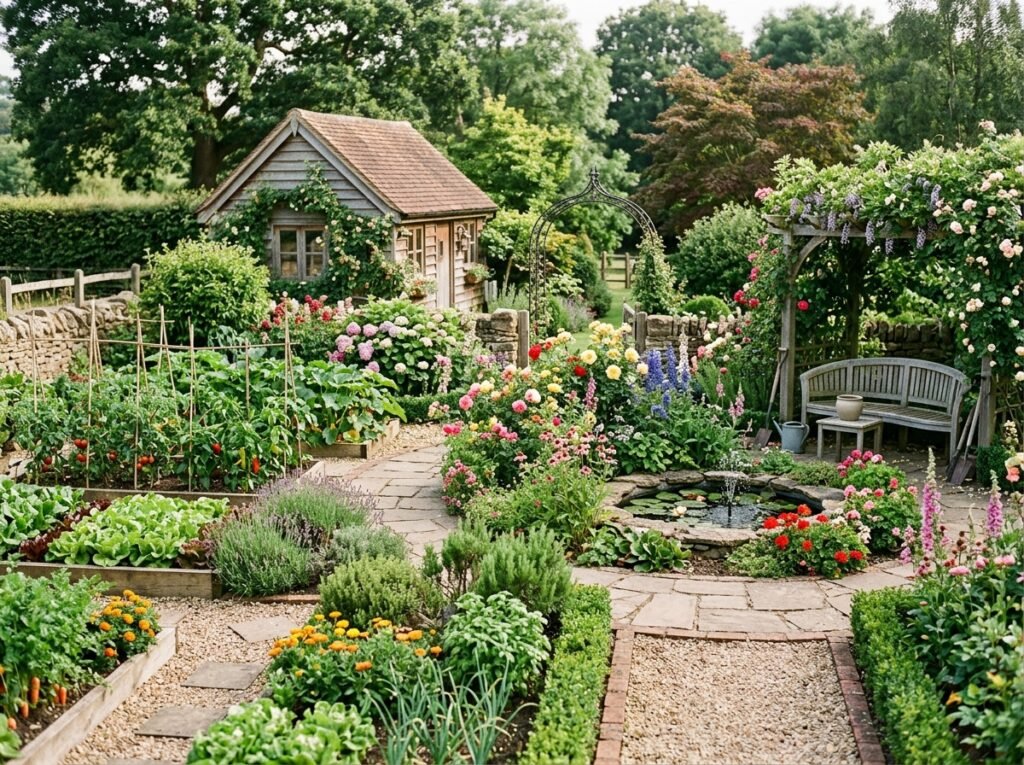
Don’t just look at the general map for your state. Your backyard has « microclimates » just like a house has cold spots. A north-facing wall in Zone 6 might actually behave like Zone 5 because it never sees the sun, while a brick wall facing south creates a heat sink that mimics Zone 7.
The Tip: Walk your property at 10:00 AM, 2:00 PM, and 6:00 PM. Use a digital soil thermometer to check the ground temperature in the shade versus near your foundation. Map these « sub-zones » on paper before you buy a single seed.
2. The « Hardy to Zone » Rule of Thumb
When you look at a plant tag, it will list a range (e.g., Zones 5-8). Most novices buy for the middle, but the pro move is to buy plants rated one zone colder than yours. If you live in Zone 6, buying a plant rated for Zone 5 gives you a « structural buffer » for those unpredictable polar vortex years.
3. Audit Your Drainage for Winter Survival
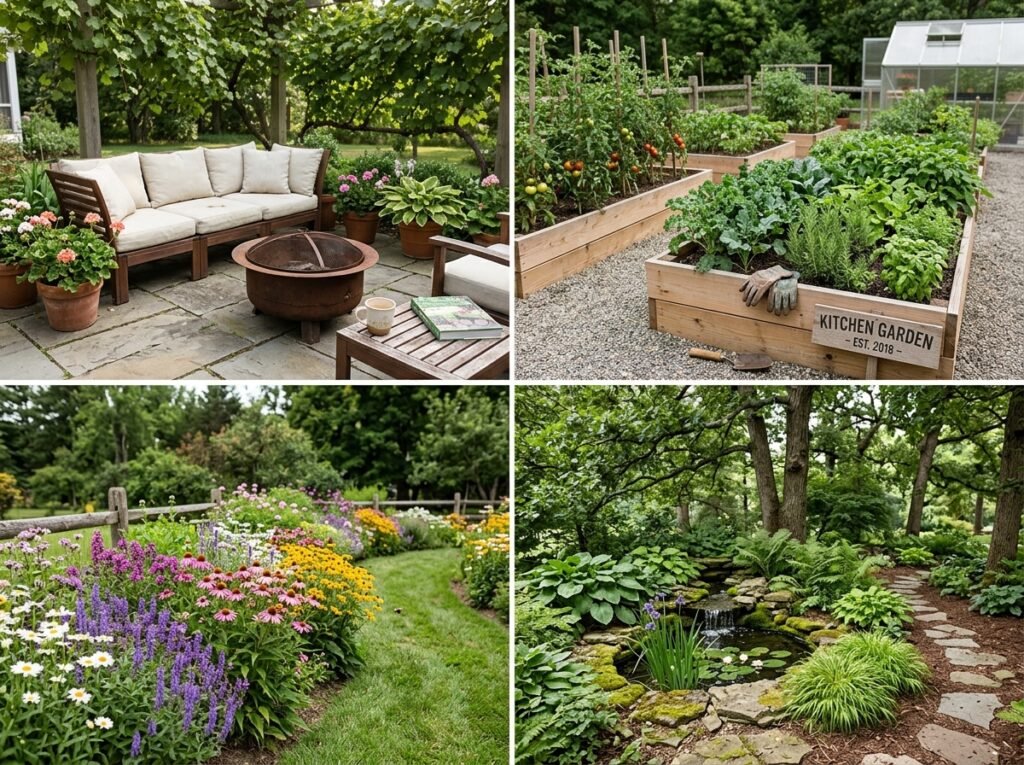
More plants die from « wet feet » in winter than from actual cold. In heavy clay soil, water sits around the roots, freezes into an ice block, and expands—shattering the plant’s root structure like a pipe bursting in a crawlspace.
The Tip: Dig a hole 12 inches deep and fill it with water. If it hasn’t drained in two hours, you don’t have a « zone » problem; you have a drainage problem. Amend your soil with coarse sand or expanded shale—not fine peat moss—to ensure those roots stay dry when the ground freezes.
4. Time Your « Breaking Ground » via Soil Temp
Air temperature is a liar. It can feel like 70°F (21°C) in April, but the soil might still be a stagnant 45°F (7°C). If you put a Zone 8 plant into 45°F soil, the root system will go into shock and stay stunted for the rest of the season.
The Tip: Use a meat thermometer if you have to. Wait until the soil consistently hits 60°F (15°C) for most « warm zone » favorites. Planting too early is the most common way to kill a perfectly healthy « on-zone » plant.
5. Install Structural Windbreaks
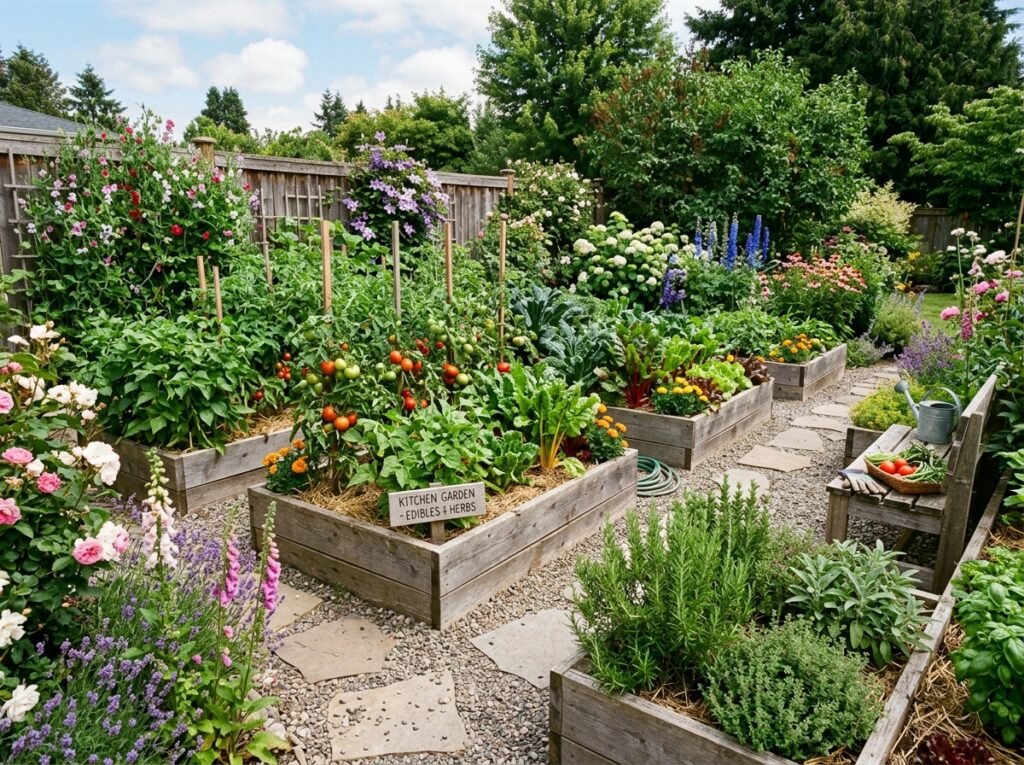
Cold isn’t just about the number on the thermometer; it’s about desiccation. Winter winds act like a high-speed sander on evergreen leaves, pulling moisture out faster than the frozen roots can replace it.
The Tip: If you are planting at the edge of your zone’s limit, install a physical barrier. Use a burlap screen anchored with 2×2 stakes on the windward side of your high-value shrubs. This breaks the wind’s velocity and prevents « winter burn, » keeping the plant’s internal « plumbing » intact until spring.
The Material List
- USDA Hardiness Map: Your foundational blueprint.
- Digital Soil Thermometer: For precise « site prep » data.
- Course Soil Amendments: Coarse sand or perlite for drainage integrity.
- Burlap and 2×2 Stakes: For structural winter protection.
Measure your climate twice. Plant once.